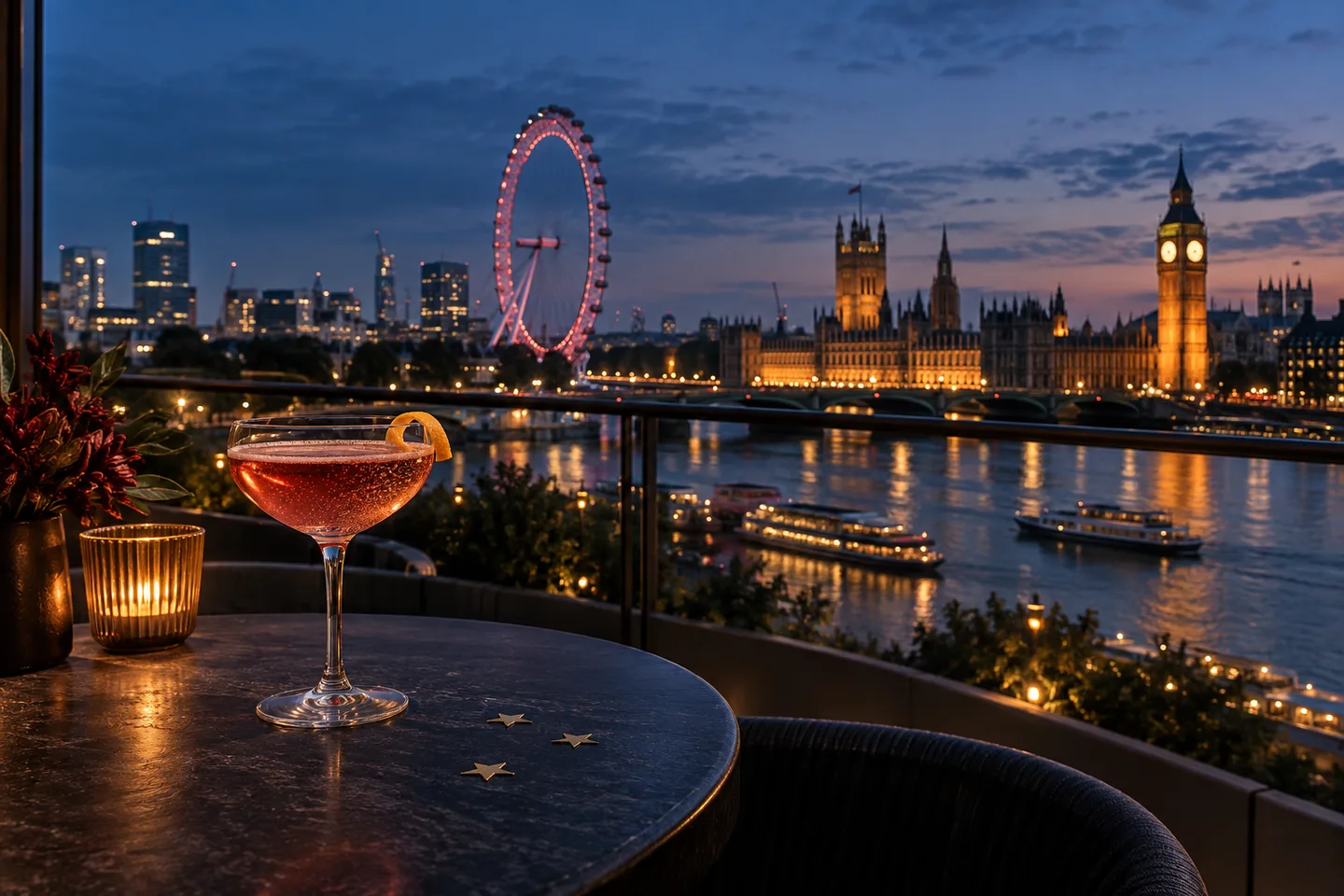
A simple one-day plan
For a day in London, try a 12:00 meeting point, lunch at 12:30, one booked activity at 15:00 and dinner at 19:30. The time between activities covers moving across town, getting changed and a proper break. Add addresses and booking contacts, not just names.
Guests living locally do not need a travel entry. Anyone coming by train can keep her own arrival details in a personal plan.
For a weekend away, plan arrival first
On the first day, ask when people can realistically arrive before promising a group activity. Put hotel check-in, flight and train details in each guest's personal travel plan. The shared schedule can begin with the first thing everyone can attend.
If rooms are spread across properties, keep a simple who-sleeps-where view. Match a stay by a consistent name or address so two slightly different spellings don't look like two hotels.
Separate ideas from confirmed bookings
A placeholder such as ‘possible cocktail class’ can hold time on the draft plan. A confirmed class needs a location, provider, headcount, reference and deposit status. Show the difference plainly so nobody turns up for an unbooked activity.
Send one final version
The day before, check opening hours, travel times, accessibility and cancellation notes. Share one current itinerary with the group and highlight only what changed. Keep private surprises out of the version the bride can see.
A useful final schedule can be read in seconds: time, place, who is attending and the next action.
A three-day template without three packed days
Build a destination itinerary around the moments you genuinely want to share, not around a requirement to fill the calendar. The example below assumes guests arrive on Friday and leave on Sunday; shift it to any days that work. The times are illustrative and must be checked against actual bookings and journeys.
- Arrival day: keep the afternoon flexible for journeys and check-in. Make an early-evening welcome drink optional, then choose a dinner time that the confirmed arrivals can reach.
- Main day, 10:00: breakfast and a clear meeting point. Leave time for guests staying elsewhere to arrive without rushing.
- Main day, 12:30: lunch, followed by one booked afternoon activity. Put the provider’s actual start time in the schedule, with a separate meeting time if needed.
- Main day, late afternoon: a real break for getting ready or doing nothing. A break is not a gap that needs another activity.
- Main day, 19:30 onwards: dinner and an optional later plan. Say where guests can leave or rejoin the group.
- Departure day: optional breakfast and individual departures. Do not make a prepaid group activity the last item unless everyone’s onward travel fits.
What every useful itinerary entry needs
Write the information for a guest who has not helped organise anything. ‘Meet at the hotel’ may be obvious to you but useless when the group is staying in three buildings. Include the property name, full address and the specific entrance or meeting spot. If a venue has a check-in desk, distinguish the time to meet outside from the time the activity starts.
A confirmed booking should include the booking owner, number of participants, relevant contact and any preparation such as clothing, food choices or arrival instructions. Keep sensitive confirmation details private where appropriate. The public-facing group entry only needs what attendees require to take part.
Use visible labels such as proposed, confirmed or cancelled. A restaurant idea at 19:30 is not a reservation merely because it sits on a calendar. Payment deadlines should say what action is required and who is responsible; they should not look like another activity on the party day.
Leave realistic time between the highlights
Check the route between the actual addresses rather than assuming everything in one city is nearby. Add the time needed to gather the group, find the entrance and arrive before the provider’s cut-off. A ten-minute walk for one person is not always a ten-minute transfer for a group leaving a restaurant together.
Plan around the least flexible booking first. If an afternoon activity has a fixed start, work backwards to the lunch finish and departure time. Where the timing is tight, shorten the earlier activity or choose a closer location instead of expecting everyone to rush.
Ask about access needs privately and verify practical details directly with the venue. Give the group a weather alternative where it matters, such as replacing an outdoor meeting spot with an indoor one. Keep that alternative in reserve rather than publishing two competing versions of the whole day.
Send a final plan that survives a late train
The final update should fit into a short message with a link to the current schedule. Include the first meeting point, start time, what guests need to bring and a contact if they are delayed. Ask guests to open their personal travel and the shared plan before leaving, and keep essential addresses accessible if reception is poor.
When someone is late, change only what needs to change. Their delayed flight belongs in their personal travel details; the whole dinner should move only if the organiser has confirmed that with the venue. Tell the late guest where to join the group without requiring everyone else to follow a stream of travel updates.
Who sleeps where is a coordination view, not a reason to combine everyone’s hotel bills. Use a consistent property name and address, show who is staying there with appropriate visibility, and keep each guest’s room, booking details and personal costs separate unless sharing was agreed. After a change, make sure the old time or cancelled booking cannot be mistaken for the current plan.
How to split hen do costs fairlyFor a local London celebration, let guests who already live nearby skip travel planning entirely.
Protect the shared schedule for shared moments; keep each guest's journey in her own plan.
Meet Reveli
Keep the plan, guests, travel and shared costs together. Coming soon on iPhone and Android.
Reveli ↗